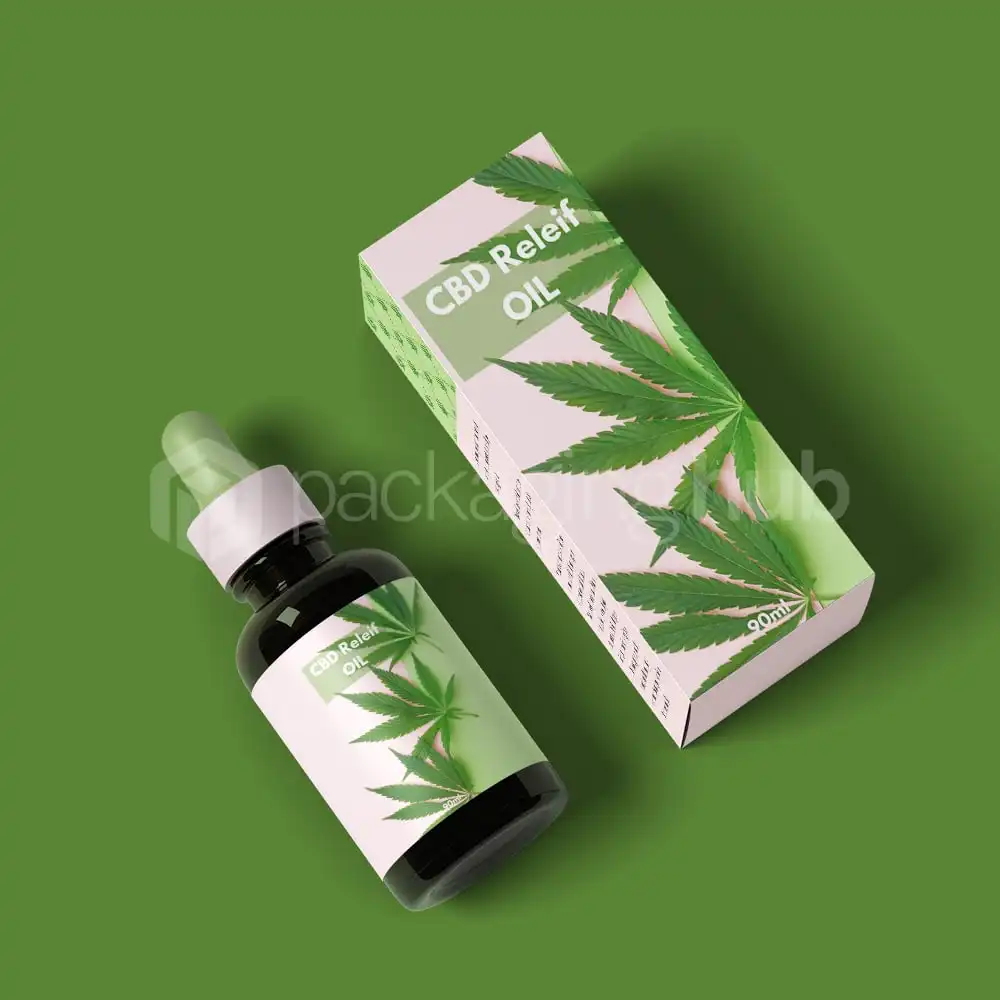
CBD oil has turn into a widely applied wellness product, together with consumers seeking natural solutions for stress, pain, and rest issues. However, typically the legal landscape intended for CBD varies substantially between countries. Nova scotia and the United Says are a pair of typically the largest markets with regard to CBD, but their own regulations differ in crucial ways. Comprehending these differences is definitely important for consumers, travelers, and companies operating in both countries. This post explains the crucial distinctions between CENTRAL BUSINESS DISTRICT oil laws throughout Canada and the USA.
CBD Oil Legal Status inside Canada
In Canada, CENTRAL BUSINESS DISTRICT oil is managed under the Cannabis Act, which legalized recreational and medical cannabis in 2018. Key points consist of:
Only licensed makers can grow, procedure, then sell CBD essential oil.
CBD oil is legal for grownups aged 19 and even above for most contrée (18 in Alberta and Quebec).
Customers may possess up to 30 grams of dried hashish or equivalent goods, including oils in addition to edibles.
Products should comply with rigid labeling, quality, and safety standards.
Health care patients with a new prescription can gain access to higher-potency CBD oil through licensed manufacturers.
Canadian regulations concentrate on product protection, quality control, plus controlled distribution, ensuring that all CBD products meet government standards.
CBD Oil Legitimate Status in the USA
In the usa, the legal framework for CBD oil is usually more complex due to federal and express laws:
Federal Regulation: The 2018 Farm building Bill legalized hemp-derived CBD containing not as much than 0. 3% THC. CBD derived from marijuana plants (higher THC) remains governmentally illegal.
State Laws and regulations: Each state has its own regulations. Some areas allow recreational marijuana and CBD, while others permit only clinical use or can charge stricter THC limits.
FDA Regulations: The particular U. S. Fda (FDA) prohibits CBD in food, liquids, and dietary products at the federal levels, apart from certain professional medical products like Epidiolex.
This creates a patchwork of regulations, where CBD may well be legal federally but restricted or perhaps regulated differently in the state level.
Important Differences Between Nova scotia and the UNITED STATES
Feature Canada USA
Federal Legitimate Status Fully legal regarding recreational and professional medical use under the particular Cannabis Act Hemp-derived CENTRAL BUSINESS DISTRICT legal ( <0. 3% THC), marijuana-derived CBD mostly against the law federally
Licensing Requirements Strict licensing for producers, processors, and retailers No uniform federal licensing; states have ranging rules
Age Restrictions 19+ (18 in Alberta & Quebec) Varies by state (usually 18+ or 21+)
THC Limits Hemp-derived <0. 3%, recreational cannabis variable Hemp-derived <0. 3% federally; state laws vary for marijuana-derived CBD
Health-related Use Accessible with prescription; recreational legal Medical courses exist in several says; federally restricted regarding marijuana-derived CBD
Labels & Testing Mandatory laboratory testing and rigid labeling FDA oversight confined; state regulations fluctuate; lab testing not necessarily always mandatory
Control Limits 30 grams regarding dried cannabis or equivalent Varies by condition; federal law is not going to impose possession restrictions for hemp-derived CENTRAL BUSINESS DISTRICT
Implications for Buyers
For Canadians applying CBD oil:
Products from licensed producers are fully legal in Canada.
THC content is managed to stop psychoactive results for hemp-derived CBD.
click reference traveling in order to the USA has to be cautious, as delivering CBD across typically the border may violate U. S. law, set up CBD item is legal in Canada.
For Us citizens:
Hemp-derived CBD is definitely legal federally although subject to state-specific regulations.
Consumers need to verify local laws and regulations before purchasing or perhaps traveling with CENTRAL BUSINESS DISTRICT.
Products may certainly not always be tested or labeled constantly, increasing the chance of mislabeling or even THC content exceeding beyond legal limits.
Difficulties in the Ough. S. Market
Typically the U. S. CENTRAL BUSINESS DISTRICT market faces various challenges due to be able to inconsistent regulations:
Good quality Control: Not most products undergo obligatory lab testing, leading to potential contamination.
Label Accuracy: Many products may contain more or fewer CBD or THC than indicated.
Lawful Confusion: Consumers may unknowingly violate state or federal laws when buying or perhaps transporting CBD goods.
Canada’s centralized regulatory approach provides better consumer protection compared to the fragmented U. H. system.
Benefits of Canada’s Regulatory Approach
Canada’s strict regulations offer several positive aspects:
Consumer Safety: Items are tested for contaminants and exact cannabinoid content.
Legal Clarity: Adults can easily legally purchase CENTRAL BUSINESS DISTRICT oil from licensed retailers.
Standardized Good quality: Licensed producers must adhere to Excellent Manufacturing Practices (GMP).
This makes Europe probably the most regulated plus reliable markets with regard to CBD oil found in the world.
Realization
While CBD essential oil is legal and even well-regulated in Europe, america has the more complex and fragmented legal surroundings. Canadian consumers gain from standardized quality, clear THC limits, and legal protections, when U. S. buyers must navigate federal government and state regulations that vary extensively. Understanding these differences is crucial for safe use, global travel, and cross-border business. By remaining informed, consumers in the countries can enjoy the potential positive aspects of CBD oil while remaining compliant with local rules.