The Allure of Games of Chance
Casino gaming has long captivated the human spirit, primarily due to the thrill of chance and unpredictability. Players are drawn to the possibility of winning big, which creates an exhilarating atmosphere. The very nature of gambling taps into fundamental psychological triggers, such as risk-taking and excitement-seeking. This innate desire for adventure propels individuals to the casino, as they find themselves enticed by both the games and the vibrant ambiance. Many bettors utilize nfl betting websites to enhance their gaming experiences, stepping into a world where the stakes are high and the excitement never wanes.
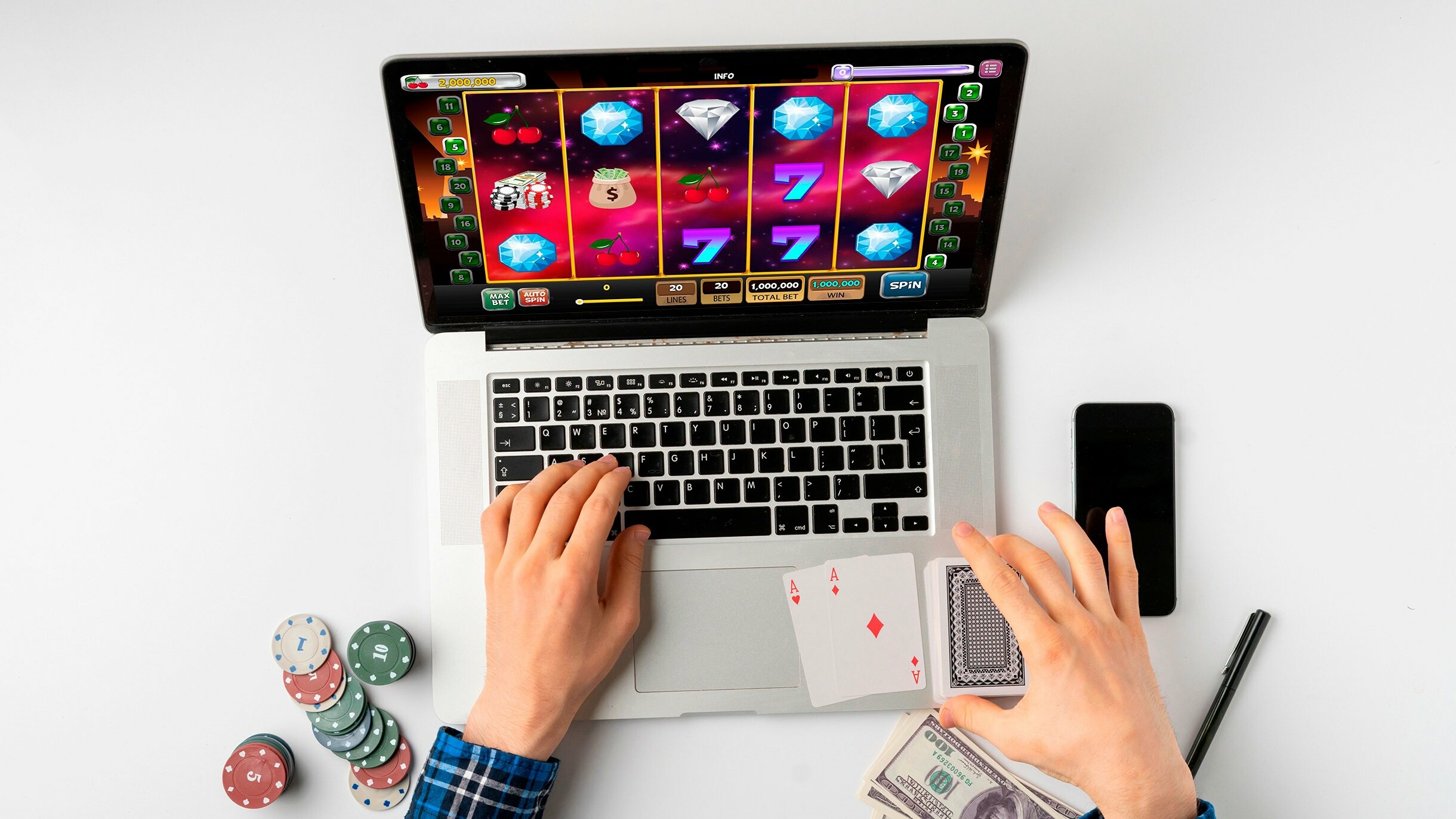
The sensory experience within a casino further amplifies this allure. The sounds of coins clinking, lights flashing, and the buzz of fellow players create an electric environment. These sensory stimuli elevate dopamine levels in the brain, reinforcing behaviors that lead to repeat visits. Thus, casinos are perfectly designed to keep players engaged, making every visit feel like an opportunity for an unforgettable experience.
The Role of Social Interaction
Another critical aspect of casino gaming is the social interaction it fosters. Casinos often serve as communal spaces where friends and strangers alike come together to share their experiences. This social dimension introduces a unique layer to gaming; players not only compete against the house but also against each other, fostering camaraderie and shared excitement. Many individuals return not just for the game but also for the relationships formed in these lively settings. The sense of community is what makes the atmosphere even more inviting.
Moreover, the presence of seasoned players can add a layer of mentorship and camaraderie, as newer players often seek advice and tips from those with more experience. This interaction cultivates a sense of belonging, further deepening the emotional connection players have with the casino environment. The communal aspect, therefore, is a significant factor in driving repeat visits.
The Impact of Rewards and Promotions
Reward systems in casinos significantly influence player behavior. Many establishments employ loyalty programs designed to incentivize repeat patronage, offering rewards ranging from free spins to exclusive access to events. This strategic approach taps into the psychology of reinforcement, where players are more likely to return if they feel valued and recognized for their loyalty. The allure of rewards creates a cycle where players chase the next bonus or freebie, often leading to more frequent visits. Promotions play a vital role in maintaining that excitement as well.
Additionally, promotional events and special tournaments create an environment of excitement that encourages both competition and participation. When players know they can potentially win prizes beyond their initial stakes, the motivation to return increases significantly. This aspect of gamification fosters a deeper connection between players and the casino, transforming visits into anticipated events.
The Illusion of Control and Skill
While many casino games are based primarily on luck, the belief in personal skill and control plays a pivotal role in a player’s engagement. Many individuals convince themselves that their strategies can influence outcomes, leading them to invest more time and money. This psychological phenomenon, known as the “illusion of control,” arises when players believe they can manage their luck through skillful play, making the experience feel more rewarding, even in games that fundamentally rely on chance.
Furthermore, this desire for mastery leads players to continuously hone their skills in particular games, such as poker or blackjack. As they develop their proficiency, the sense of accomplishment becomes intertwined with the gambling experience. This combination of perceived control and skill fosters a compelling reason to return, as players strive to improve and achieve greater success.

Conclusion: The Complex Appeal of Casinos
The intricate psychology behind casino gaming showcases a blend of risk, social interaction, rewards, and the illusion of control that keeps players returning. By understanding these elements, casinos enhance their designs and marketing strategies to cater to player desires effectively. The emotional connection forged through shared experiences and the thrill of the chase creates a unique environment that continuously draws people in. With the evolution of technology, the landscape of gaming will likely grow even more complex.
Moreover, recognizing these psychological aspects can help players make informed decisions about their gaming habits. Responsible gaming practices are essential for maximizing enjoyment while minimizing potential negative impacts. As the industry evolves, understanding this psychology will remain key for both players and operators alike, ensuring that casino gaming continues to be a fascinating and engaging experience.